

Samudyata Minasandra
Samudyata is a Software Engineer at Curlscape focused on machine learning and artificial intelligence, with a strong grounding in mathematics. Particularly interested in the mathematical foundations of learning algorithms:
Linear algebra, probability, optimization, and graph-based methods, and in applying them to build reliable, interpretable, and scalable systems.
Articles by Samudyata Minasandra

A Comprehensive Review of Different Surrogate Architectures
Which AI surrogate model fits best for your design cycle and goal? Compare nine architectures, their computational costs and trade-offs, and where each works best in engineering.
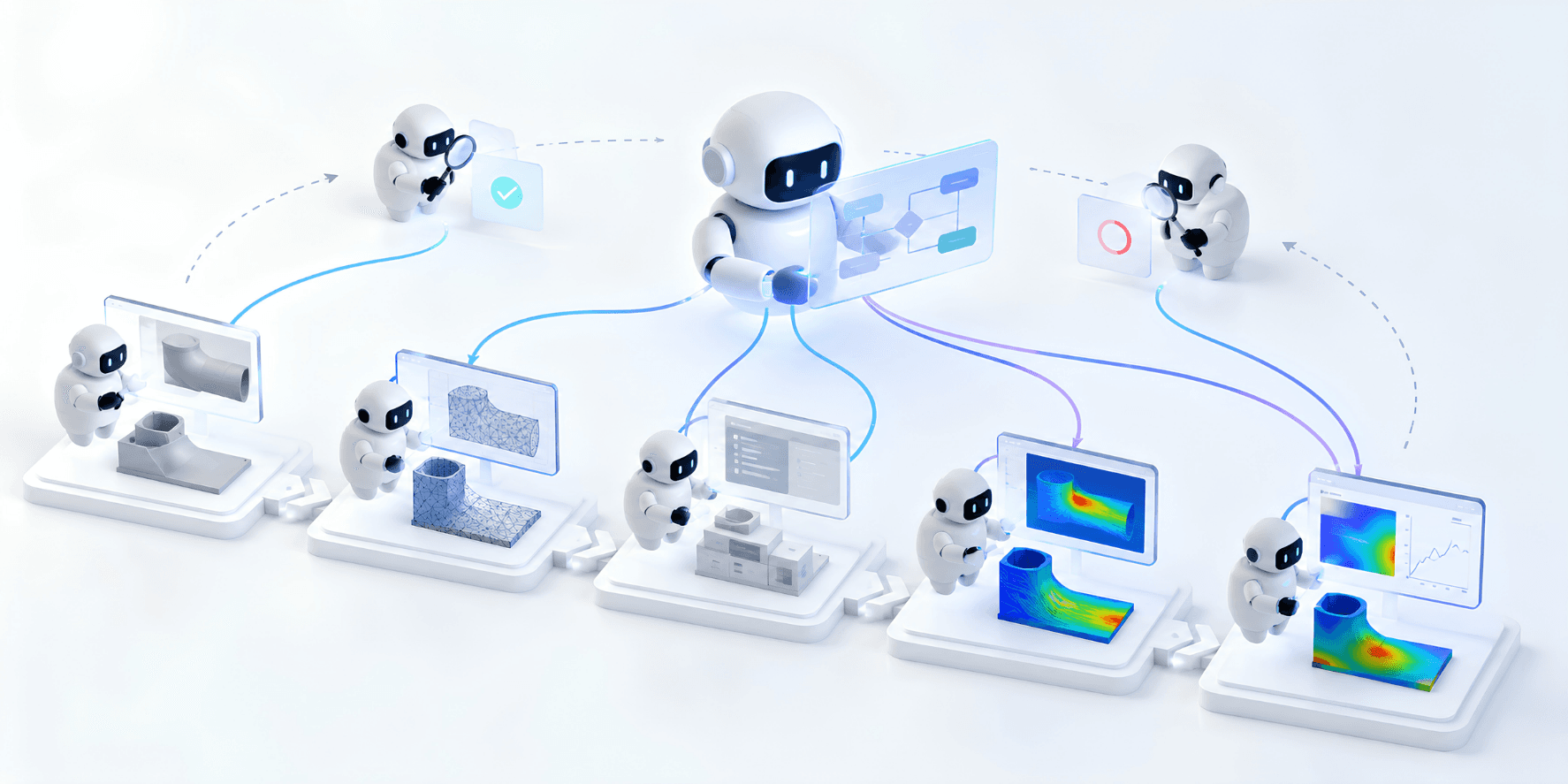
Evaluating AI agents for Engineering Workflows
What does it take to trust an AI agent with engineering simulation? We evaluate an agentic-workflow using a public benchmark and walk through the evaluation process, results, and what we learned.
Neural Operators for Engineering Simulation
Learn how neural operators learn mappings between physical fields, exchange information across spatial domains and scale to large engineering meshes with changing geometries and discretizations.
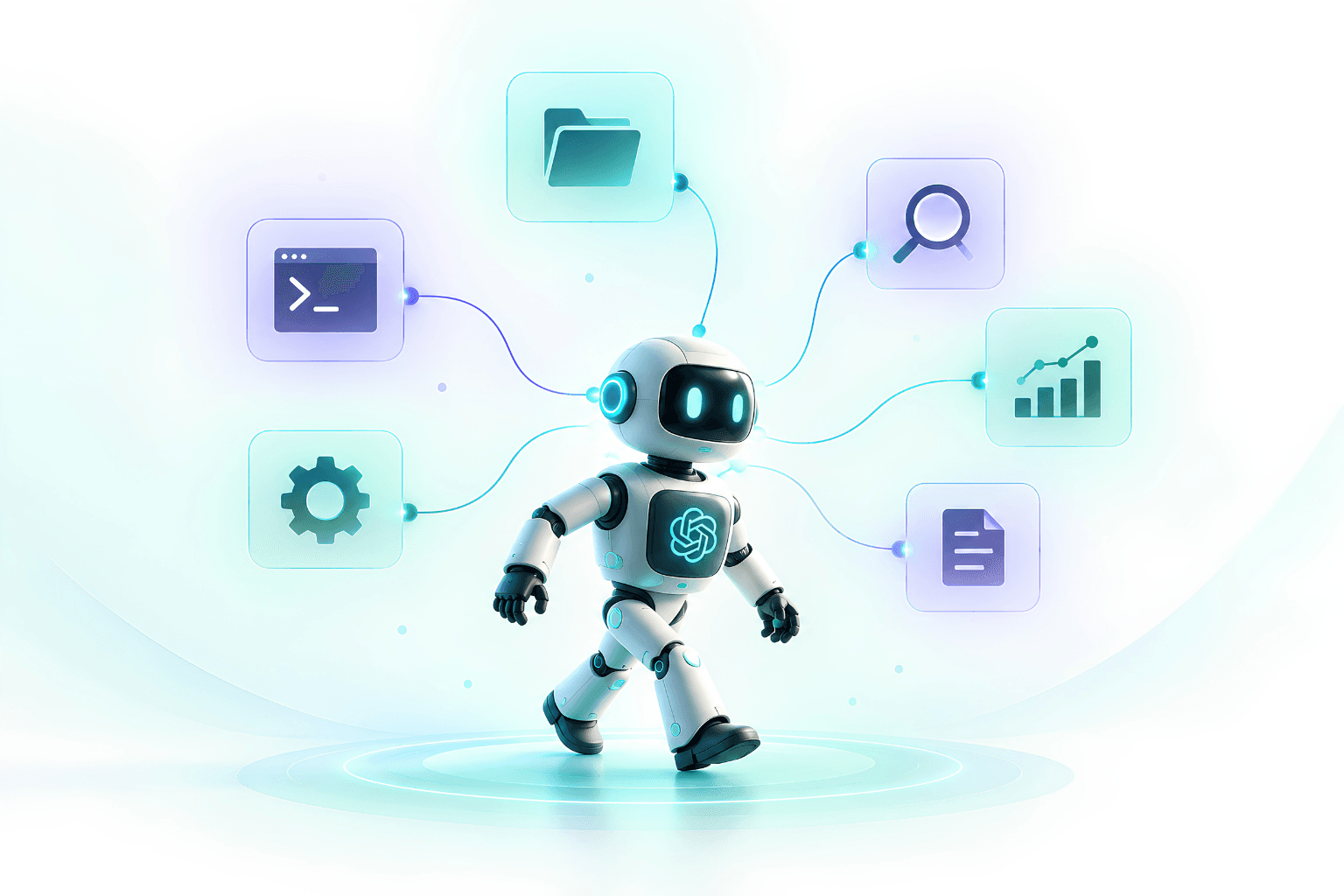
Overcoming Automation Bottlenecks with Agentic AI
Explore how agentic AI extends conventional engineering workflows, improving automation and adaptability while introducing new trade-offs in cost, control, and verification.

Why surrogate models fail when the geometry changes
The node count of the training mesh becomes a dimension of a learned weight matrix. Why conventional CFD surrogate models break when the geometry changes.
Fine-tuning open models in the real world: Unsloth, Axolotl, and the case for Docker
Production lessons from fine-tuning open models and why Curlscape uses Docker to ensure GPU training environments are reproducible and reliable.